
Agentic AI in Gulf Procurement: What Changes When Automation Goes Beyond Pilots?
The Scene: From Manual Comparison to Orchestrated Oversight
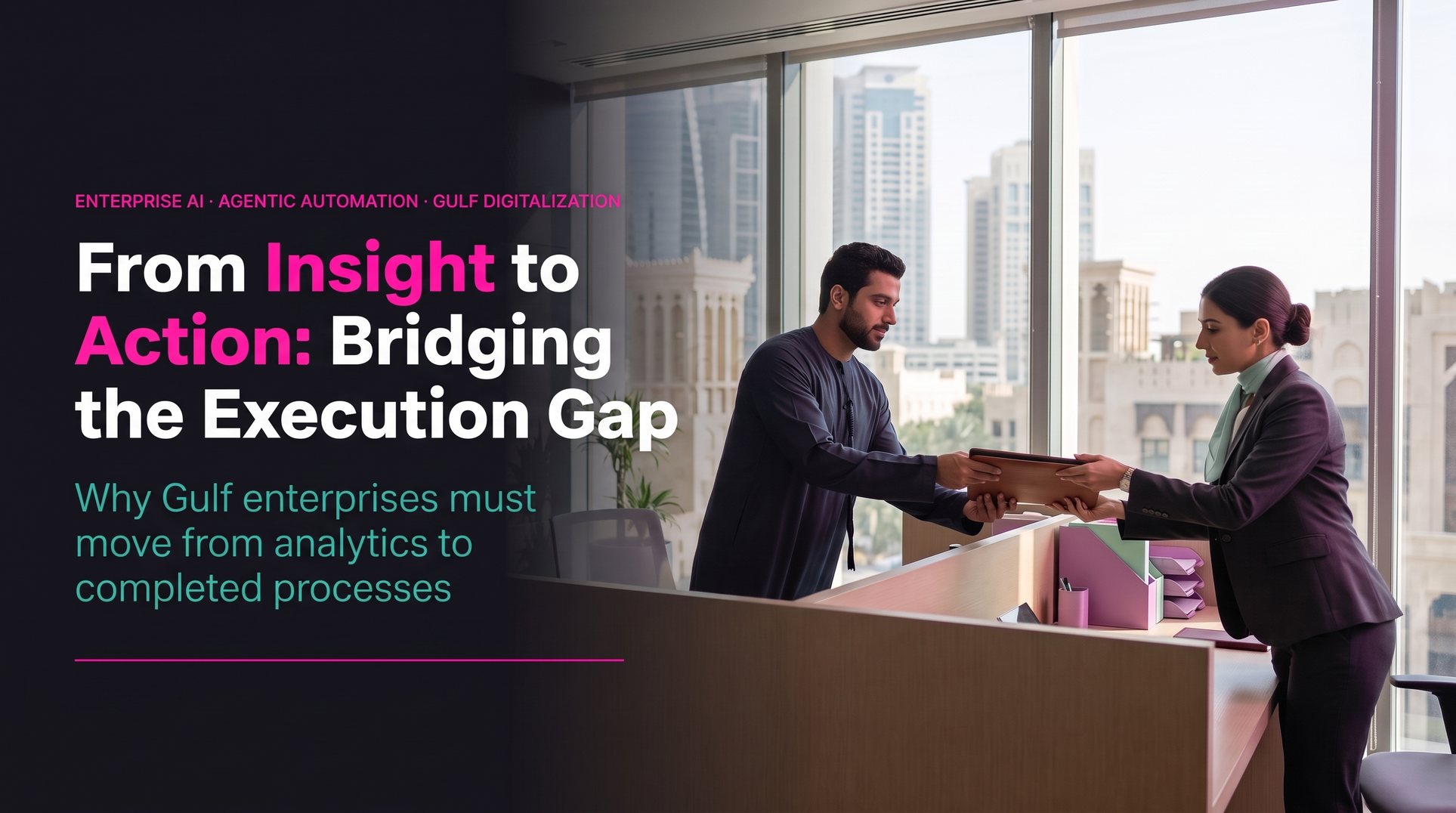
A procurement analyst in a Gulf-based telecom operator spends half an hour consolidating supplier quotes for a routine order. Some teams report faster review times with agentic automation, but as of August 2026, there is no public, audit-ready documentation detailing such time savings for the region. What is clear: the shift is real when automation handles not just individual tasks but end-to-end processes, moving staff from repetitive input to oversight and exception handling. The observable result isn’t just speed, but a change in what human work looks like.
Where Automation Delivers—and Where It Stalls
Agentic AI is most effective where rules and data are clear. In Gulf procurement, this means automating flows like purchase order matching, quote evaluation, or lead time checks—especially when ERP and supply chain systems offer structured, API-accessible data. In anonymised regional case studies, such as those involving Gulf-based telecom or real estate companies, automation now triggers cross-channel updates: a WhatsApp response from a supplier is parsed, matched to an open PO in the ERP, and the outcome is written back to the CRM, all without manual intervention. Where systems are fragmented or data quality is low, however, integration work and change management remain major hurdles. Teams report that progress depends as much on process clarity and leadership buy-in as on technical capability.
Financial Impact: Benchmarks and Gaps
Industry discussions frequently reference productivity and cost improvements from agentic automation, but as of August 2026, there is no public, independently-audited ROI data from Gulf enterprises to substantiate these numbers. The real-world impact varies: it depends on the baseline cost of manual work, the depth of automation, and how reclaimed time is used—whether to cut overtime, scale volume, or reassign staff. Most organisations in the region continue to treat such numbers as indicative, not guaranteed, pending transparent, audit-ready reporting.
Integration and Oversight: What Actually Works
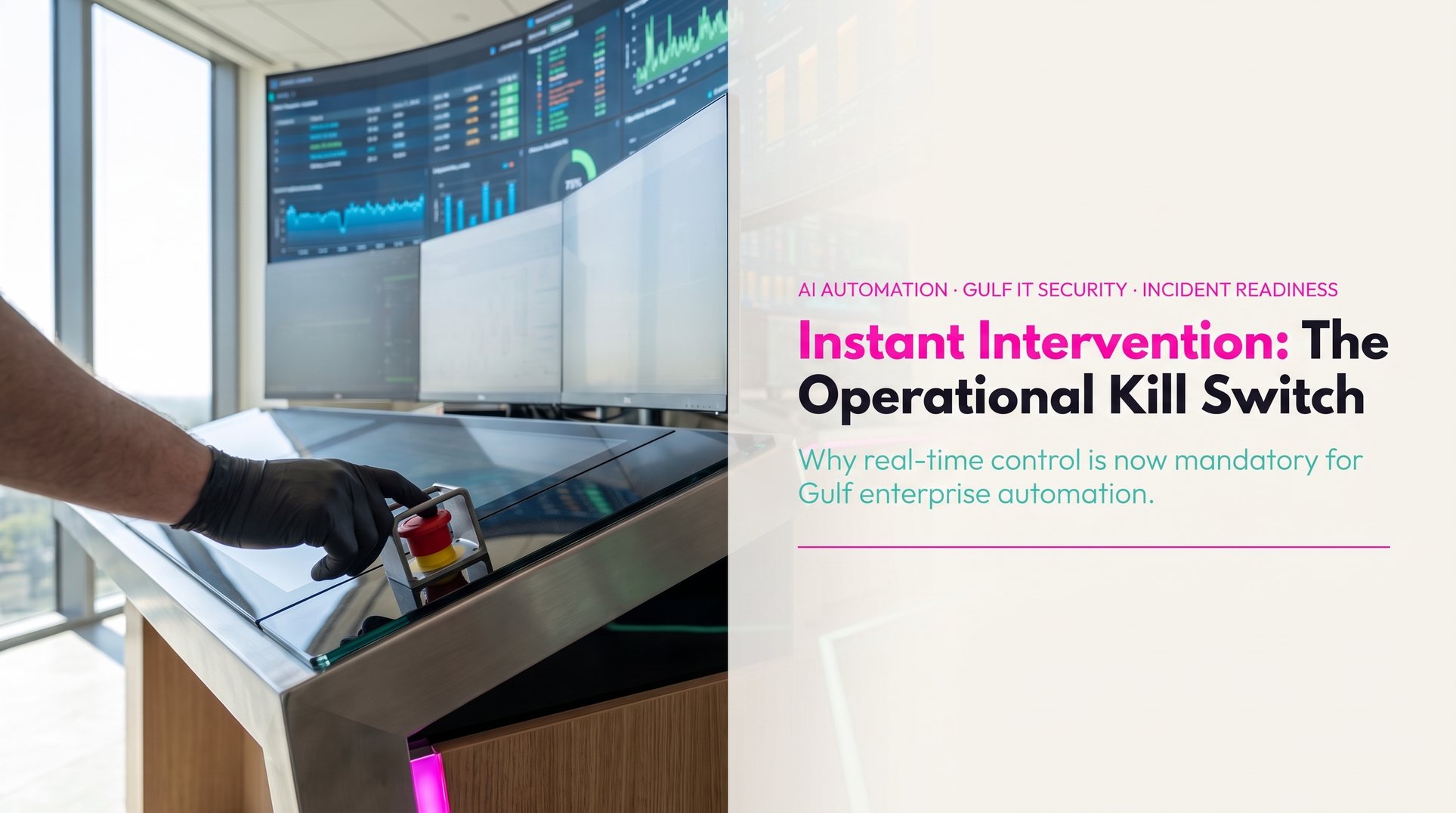
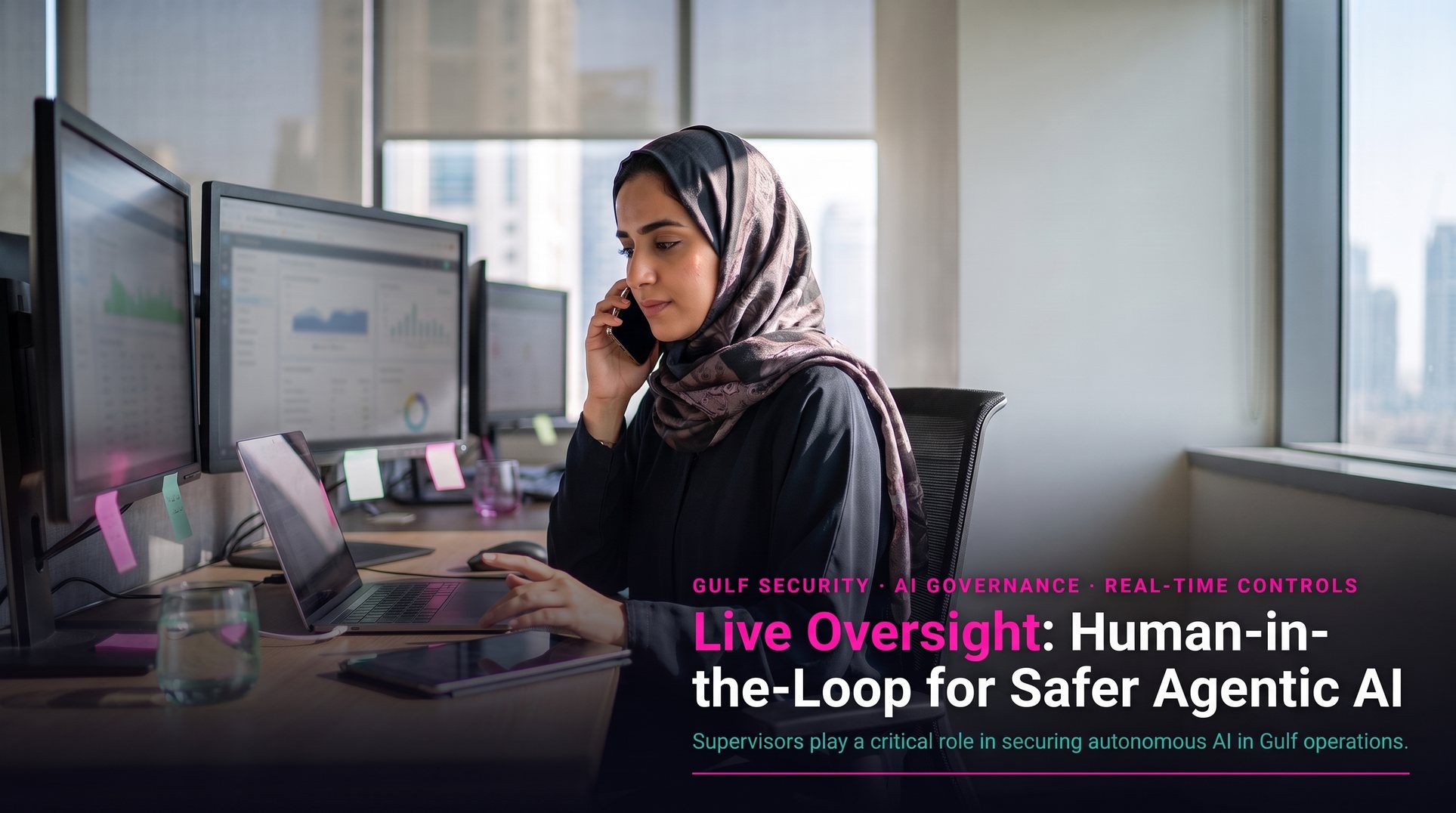
The leap from pilot to production hinges on integration and governance. Where ERP, CRM, and messaging systems provide stable APIs and data is consistently structured, automation can flow from channel to back-office and back again. In the anonymised real estate or telecom examples above, the system logs a full transaction history: every automated step is recorded, and every exception triggers an alert for manual review. Human oversight is never fully replaced—particularly in regulated industries, where compliance and auditability require clear documentation, access controls, and the ability to intervene or roll back actions if needed. As of August 2026, there is no public evidence of agentic AI removing the need for manual checks in regulated Gulf sectors; instead, the technology augments quality assurance with audit trails and human-in-the-loop controls.
Is Your Process Ready? A Checklist for Decision-Makers
Agentic automation delivers real value when:
- Processes are high-volume, rules-based, and well documented.
- Data is machine-readable and consistently structured across systems.
- Exceptions can be codified and routed for manual handling.
- APIs are available for key systems (ERP, CRM, messaging).
- There is leadership commitment to adapting roles and managing change.
Where these factors are missing, the biggest returns come from first investing in process clarity and data quality—not just technology. Agentic automation is only as effective as the foundation it builds on.
How Amira Approaches Auditability and Baseline Measurement
Amira starts every procurement automation project with a baseline measurement, mapping current process costs and documenting manual workflows before any automation is deployed. The platform connects via API to ERP, CRM, and messaging systems, enabling orchestration and full transaction traceability—including a searchable audit trail for every automated action. Human review and adjustment are possible at every stage, and retention settings are configurable for compliance with local data rules. Amira’s approach is designed to support both operational oversight and regulatory audits, including in highly regulated sectors. To see how this works on your own processes, book a 60-minute demo.
Get Amira Weekly
AI in customer service, from the Gulf – one email every Friday. No spam, unsubscribe anytime.
By subscribing you agree to our privacy policy.